Nestled in the historic temple city of Kanchipuram, Tamil Nadu, the Arulmigu Ekambareswarar Temple is not merely a place of worship but a monumental testament to devotion, resilience, and South Indian architectural grandeur. Dedicated to Lord Shiva, it is one of the Pancha Bhoota Stalams, representing the element of Earth (Prithvi). The temple’s legend is profoundly romantic; it is believed that Goddess Parvati performed penance under an ancient mango tree here, fashioning a lingam from sand to worship Shiva.
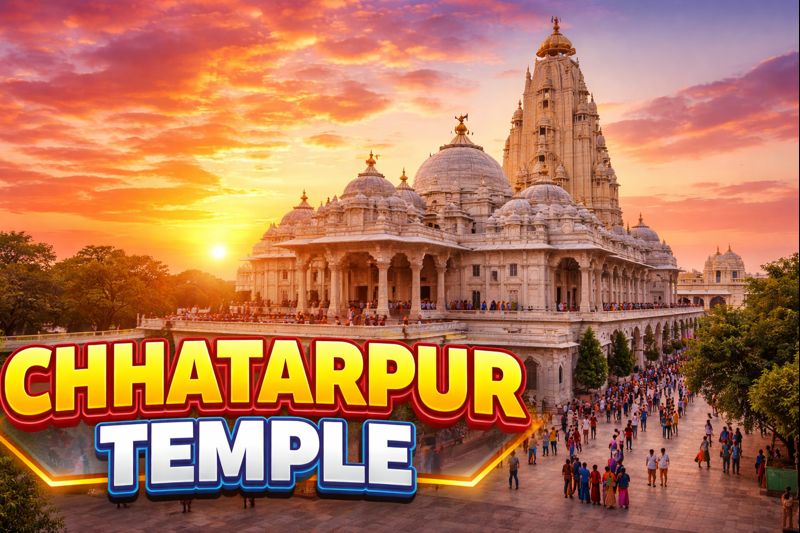
When a flood threatened to wash away her creation, she embraced it protectively, an act immortalized in the temple’s iconography. The present-day sprawling complex, covering 23 to 25 acres, is one of the largest in India and features a 57-meter tall southern gopuram (gateway tower) that dominates the skyline. The temple’s history stretches back over 1,200 years, with contributions from Pallava, Chola, and Vijayanagara dynasties, making it a living museum of Dravidian art and spiritual tradition.
Temple Overview at a Glance
| Feature | Details |
|---|---|
| Primary Deity | Lord Shiva as Ekambareswarar or Ekambaranathar (Prithvi Lingam) |
| Consort | Goddess Parvati as Elavarkuzhali or Kamakshi |
| Significance | One of the Pancha Bhoota Stalams (Representing the element of Earth) |
| Temple Complex Area | Approximately 25 acres, one of the largest in India |
| Architectural Highlights | 57m tall Southern Rajagopuram, Thousand-Pillared Hall, 3500-year-old sacred mango tree |
| Historical Period | Over 1200 years old; built by Pallavas, expanded by Cholas and Vijayanagara rulers |
| Administration | Hindu Religious and Charitable Endowments (HR & CE) Department, Government of Tamil Nadu |
| Official Information | HR & CE Temple Portal: https://hrce.tn.gov.in |
Temple Timings and Daily Ritual Schedule for 2026
The temple follows a strict daily schedule divided into morning and evening darshan sessions, with a break in the afternoon. It is crucial to plan your visit within these hours. Timings are generally consistent throughout the year but may be extended during major festivals.
Table: Daily Darshan Timings & Key Poojas
Best Time for Darshan: For a more peaceful experience with shorter queues, visiting early in the morning right at opening (6:00 AM) or during the weekdays is highly recommended. The evening time offers a spiritually charged atmosphere with the lamp-lit corridors and rituals.
Sevas, Darshans, and Offerings: Price List for 2026
Devotees can perform various sevas (special services) and offer archana to seek blessings. The temple also has nominal fees for special darshan and photography. The following table lists common activities with their estimated prices.
Table: Seva, Darshan, and Offering Fees
Important Note on Seva Booking: For conducting special abhishekams or other major sevas, it is best to inquire directly at the temple’s administrative office upon arrival. The temple is administered by the government’s HR & CE department, and seva details are managed locally.
How to Reach Ekambareswarar Temple
Kanchipuram is well-connected and located about 75 km from Chennai. Here are the primary ways to reach the temple:
- By Air: The nearest airport is Chennai International Airport (MAA), approximately 60-80 km away. From the airport, you can hire a taxi or take a bus to Kanchipuram, which takes about 1.5 to 2 hours.
- By Train: Kanchipuram Railway Station is the nearest, located just about 1-2 km from the temple. It is connected to Chennai and other major cities. An auto-rickshaw from the station to the temple is quick and convenient.
- By Road: Kanchipuram is excellently connected by road. State-run and private buses frequently ply from Chennai’s Koyambedu bus terminus to Kanchipuram. The temple is located on Car Street (Ekambaranathar Sannadhi Street) in the heart of the city, easily accessible by local auto-rickshaws.
How to Book Darshan Tickets and Sevas
The process for darshan at Ekambareswarar Temple is straightforward:
- General Darshan: No prior booking is required or available. Devotees can join the free queue at the temple during opening hours.
- Special Darshan: A Special Entrance ticket (₹5) can be purchased at the temple counter. This provides access to a separate queue, which may save time during peak hours.
- Special Sevas (Abhishekam, etc.): Currently, there is no widespread online booking system for sevas at this temple through its official portal. Devotees wishing to perform specific rituals must visit the temple administration office in person, usually a day in advance, to check availability, schedule a time, and make the payment.
Nearby Attractions in Kanchipuram
Kanchipuram, the “City of Thousand Temples,” offers several magnificent sites close to Ekambareswarar Temple that you can easily visit on the same day:
- Kamakshi Amman Temple: The foremost shrine dedicated to Goddess Kamakshi, the presiding deity of the city, located just about 1 km away.
- Varadharaja Perumal Temple: A massive and awe-inspiring temple dedicated to Lord Vishnu, one of the 108 Divya Desams. It is about 1.5 km away and famous for its exquisite stone chain carvings.
- Kailasanathar Temple: One of the oldest temples in Kanchipuram, built entirely of sandstone by the Pallavas. It is around 0.5 km away and showcases early Dravidian architecture.
- Kanchi Kudil: A heritage museum offering a glimpse into traditional Tamil lifestyle and culture, located about 2 km away.
- Silk Saree Showrooms: No visit to Kanchipuram is complete without seeing its world-famous silk sarees. Numerous authentic showrooms are located within 1-2 km of the temple complex.
Important Instructions for Visitors
To ensure a respectful and smooth visit, please follow these guidelines:
- Dress Code: Traditional, modest attire is appreciated. Avoid shorts, sleeveless tops, and tight-fitting clothes. Men often wear dhoti or pants, while women wear saree or salwar kameez.
- Footwear: Remove footwear before entering the temple complex. Designated paid and free shoe-keeping facilities are available outside.
- Prohibited Items: Mobile phones, cameras, leather items (belts, bags, wallets), and non-vegetarian food are strictly not allowed inside the main temple precincts. Use the locker facilities available.
- Inside the Temple: Maintain silence and decorum. Do not touch the idols or sacred structures. Circumambulate (perform pradakshina) in a clockwise direction.
- Photography: Seek permission before taking photos. Photography is often restricted in the inner sanctums and of certain sculptures.
Accommodation Options in Kanchipuram
Kanchipuram offers a range of places to stay, from simple lodgings to comfortable hotels. Most are conveniently located to visit the major temples.
Table: Accommodation Options Near the Temple
| Type of Accommodation | Price Range (Per Night, Approx.) | Location & Features |
|---|---|---|
| Budget Lodges & Dharamshalas | ₹500 – ₹1,500 | Very close to temple complexes. Basic, clean facilities, ideal for pilgrims. |
| Mid-Range Hotels | ₹1,500 – ₹4,000 | Located within city limits. Offer AC rooms, attached bathrooms, and sometimes a restaurant. |
| Heritage & Luxury Stays | ₹4,000+ | Often located on the outskirts or in serene settings. Offer premium amenities and services. |
Booking Tip: While the temple itself does not provide accommodation, the HR & CE department manages some guest houses. It’s best to book your stay online in advance, especially during weekends and festivals.
Dos and Don’ts at the Temple
| Dos | Don’ts |
|---|---|
| Do dress modestly in traditional or conservative clothing. | Don’t carry mobile phones, cameras, or any leather items into the prayer areas. |
| Do remove your footwear at the designated areas. | Don’t wear revealing clothes like shorts, mini-skirts, or sleeveless tops. |
| Do maintain silence and move patiently in the queue. | Don’t touch the idols, sanctum walls, or the priests performing rituals. |
| Do perform circumambulation (pradakshina) in a clockwise direction. | Don’t take photographs or videos without explicit permission, especially inside sanctums. |
| Do seek blessings and partake in the sacred ‘Prasadam’. | Don’t bring or consume non-vegetarian food or alcohol anywhere on the temple premises. |
| Do keep the temple premises clean. | Don’t litter or cause any damage to the ancient structures and carvings. |
Frequently Asked Questions (FAQs)
Q1: What is the significance of the mango tree in the temple?
A1: The temple’s ancient mango tree is believed to be over 3,500 years old and is central to its legend. It is said that Goddess Parvati worshipped under this very tree. Remarkably, the tree is said to yield four different types of mangoes from its four branches, symbolizing the four Vedas.
Q2: Is there an entry fee for the Ekambareswarar Temple?
A2: No, general entry and darshan are completely free for all devotees. There is a nominal fee of ₹5 for a “Special Entrance” ticket, which provides access to a separate queue.
Q3: What is the best time of year to visit?
A3: The winter and early spring months (October to March) are climatically the most pleasant for visiting. However, to witness the temple at its most vibrant, plan your visit during the grand Panguni Uthiram festival (usually in March-April), which celebrates the divine marriage of Shiva and Parvati over 13 days.
Q4: Can non-Hindus visit the temple?
A4: Yes, people of all faiths are welcome to visit the Ekambareswarar Temple to appreciate its architecture, history, and serene atmosphere. All visitors are expected to follow the temple’s dress code and rules of conduct respectfully.
Q5: How much time should I allocate for a proper visit?
A5: Given the vastness of the 25-acre complex with numerous shrines, halls, and the sacred tree, you should plan to spend a minimum of 2 to 3 hours to explore the temple properly without rushing.
Q6: Who administers the temple, and where can I get official information?
A6: The temple is maintained by the Hindu Religious and Charitable Endowments (HR & CE) Department of the Tamil Nadu government. The most reliable source for official announcements is their portal: https://hrce.tn.gov.in.