
Govindavadi Bala Murugan Temple is a peaceful and popular temple located near Kanchipuram in Tamil Nadu. The temple is dedicated to Lord Bala Murugan, a young form of Lord Murugan, the god of courage, wisdom, and victory. Govindavadi is a small town about 10 km from Kanchipuram and around 80 km from Chennai. Many devotees visit the temple every day to seek blessings for education, good health, and success.
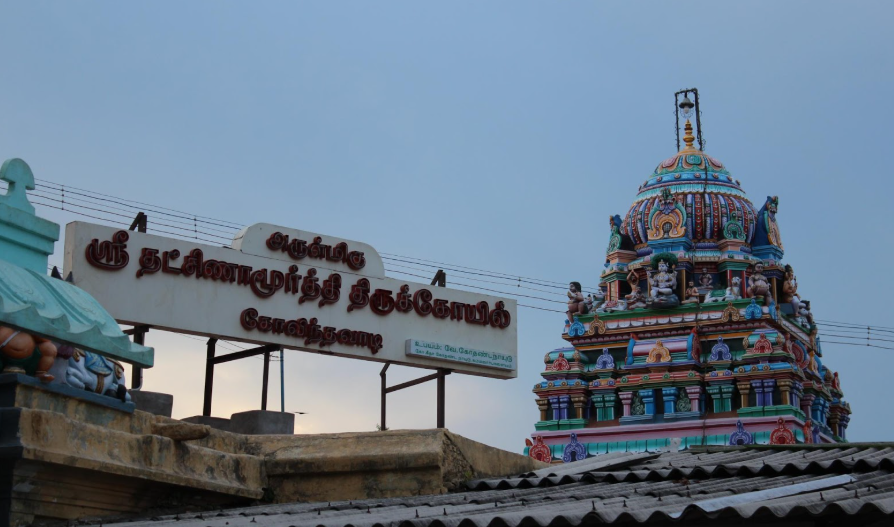
The temple is known for its simple design, calm surroundings, and strong spiritual energy. Devotees believe that Lord Bala Murugan here is very powerful and listens to prayers quickly. Parents bring their children for blessings, students come before exams, and families visit during important occasions. The temple receives more visitors on Sashti, Krittika, and Pournami days. On weekends, the temple attracts more than 3,000 visitors, and during festivals, the count increases to 10,000+ people.
Govindavadi has become a famous pilgrimage spot because of its connection to ancient Tamil traditions. The temple stands on flat land, making it convenient for elderly devotees. It is surrounded by green fields and village roads, giving a traditional Tamil atmosphere. The temple also has a tank, mandapam areas, and neatly paved paths. Overall, Govindavadi Bala Murugan Temple is a place of devotion, culture, and peaceful worship.
Kanipakam Temple Darshan 2025: Abhishekam, Aarti/ Pooja Offerings
2. Overview Table of Govindavadi Temple (200+ words)
Below is a simple and clear overview table with important numerical and factual details:
| Detail | Information |
|---|---|
| Temple Name | Govindavadi Bala Murugan Temple |
| Location | Govindavadi, near Kanchipuram, Tamil Nadu |
| Distance from Kanchipuram | 10 km |
| Distance from Chennai | 80 km |
| Main Deity | Lord Bala Murugan |
| Temple Type | Murugan Temple |
| Timings | 6:00 AM to 12:00 PM and 4:00 PM to 8:30 PM |
| Special Days | Sashti, Krittika, Pournami |
| Daily Visitors | 3,000 approx |
| Festival Visitors | 10,000+ |
| Entry Fee | Free |
| Car Parking | Available |
| Pooja Tickets | ₹10 to ₹500 |
This table helps you understand the basic structure and accessibility of the temple. The temple is easy to reach by road and has good parking space, which is useful for people coming from nearby cities. The temple management maintains the premises well, ensuring cleanliness and smooth darshan experience.
Govindavadi is known for its calm environment because it is slightly away from city noise. Many visitors plan short weekend trips to Kanchipuram temples and include Govindavadi as an important stop. The temple follows strict timings, and puja rituals are performed daily by trained priests. The overview table gives a quick picture for anyone planning a visit, especially those looking for simple and peaceful worship.
3. Temple Timings and Daily Schedule (200+ words)
Below is the timing table:
| Activity | Timing |
|---|---|
| Morning Opening | 6:00 AM |
| Morning Darshan | 6:00 AM to 12:00 PM |
| Afternoon Break | 12:00 PM to 4:00 PM |
| Evening Darshan | 4:00 PM to 8:30 PM |
| Temple Closing | 8:30 PM |
The temple opens early at 6 AM, allowing devotees to start the day with a peaceful darshan. Morning pujas take place between 7 AM and 9 AM, including Abhishekam, Alankaram, and Archana. Many people prefer visiting in the morning because the temple surroundings are calm and the weather is pleasant.
The temple closes in the afternoon, giving time for priests to rest and prepare for the evening rituals. Evening darshan begins at 4 PM, and the temple becomes lively with families and children. The evening Deeparathanai performed around 6:30 PM is a wonderful experience as the whole sanctum lights up.
On Sashti days and special festivals, the temple may stay open longer. Devotees are advised to check local announcements during festival seasons. The temple timings are strictly followed to maintain discipline and smooth flow of worship. Understanding these timings helps visitors plan their trip comfortably and avoid waiting during break hours.
4. History and Origin of Govindavadi Temple (200+ words)
The history of Govindavadi Bala Murugan Temple goes back several centuries. Local legends say that a saint performed penance in this village and received visions of Lord Murugan as a child. Inspired by this divine form, villagers built a small shrine dedicated to Bala Murugan. Over time, the shrine developed into a larger temple thanks to support from local kings, zamindars, and devotees.
Govindavadi is close to Kanchipuram, a city known for more than 1,000 temples. The influence of ancient Tamil culture and Murugan worship is prominent in this area. The temple became more popular during the late 19th and early 20th centuries when spiritual leaders encouraged worship of Bala Murugan for children’s health and education.
In recent years, the temple received renovations including new mandapam structures, improved flooring, lighting systems, and better access roads. Today, the temple attracts devotees from Tamil Nadu, Andhra Pradesh, and Karnataka. The peaceful rural atmosphere and divine presence make this temple a significant spiritual center.
Although the temple is not as old as many large Murugan temples, its simplicity and strong devotional energy make it special. The history of Govindavadi reflects how small shrines in Tamil Nadu grow into important temples through community devotion and cultural pride.
5. Architecture and Design of the Temple (200+ words)
Govindavadi Temple follows traditional Tamil temple architecture with a simple and clean structure. Unlike large temples with tall gopurams, this temple has a low-rise entrance and a neatly carved sanctum. The main shrine houses the idol of Lord Bala Murugan, depicted as a young deity holding a Vel (spear) and giving blessings with a smiling face.
The temple has a wide prakaram (outer corridor) that allows devotees to walk peacefully around the sanctum. The flooring is made of polished stone, and the walls contain murals depicting Murugan stories. There is also a small shrine for Lord Ganesha, Navagraha, and Goddess Durga.
The temple tank adds beauty to the surroundings. During festivals, the temple is decorated with lights, flowers, banana leaves, and colorful cloth. The mandapam area is used for special events, homams, and bhajans. The architecture focuses on simplicity and spiritual calmness rather than grand design.
The temple interiors are well-ventilated, making it comfortable even in summer months. The peaceful environment, combined with traditional Tamil design, gives visitors a soothing experience. The layout makes it easy for elderly people and children to move around without difficulty.
6. Festivals Celebrated at Govindavadi Temple (200+ words)
Govindavadi Bala Murugan Temple celebrates many important Murugan festivals with devotion and grand rituals. The most important festival is Thaipusam, which usually falls in January or February. Thousands of devotees gather on this day to offer special prayers and participate in Abhishekam and Alankaram ceremonies. The crowd often crosses 15,000 people during Thaipusam.
Another major celebration is Skanda Sashti, a six-day festival in honor of Lord Murugan’s victory over evil forces. Devotees perform fasting and participate in evening pujas. The final day includes a dramatic reenactment of Soorasamharam, where the victory of good over evil is celebrated.
Other important festivals include:
• Krittika Deepam
• Panguni Uthiram
• Aadi Krithigai
• Vaikasi Visakam
On these days, more than 8,000 to 10,000 devotees visit the temple. Special homams, milk abhishekams, flower decorations, and musical events take place. The temple priests chant Vedic mantras, creating a divine atmosphere.
Weekly Sashti and monthly Pournami also attract a large number of devotees. The festival celebrations showcase Tamil culture, traditional music, and community participation. Visitors experience joy, devotion, and a sense of unity during these celebrations.
7. How to Reach Govindavadi Temple (200+ words)
The temple is easy to reach by road, and many visitors include it in their Kanchipuram trip plan.
By Road
• Govindavadi is 10 km from Kanchipuram
• 80 km from Chennai
• Local buses and autos are available from Kanchipuram bus stand
• Travel time from Chennai: 1.5 to 2 hours
The roads leading to the temple are smooth, and parking space is available near the entrance.
By Train
The nearest major railway station is Kanchipuram Railway Station, which connects to Chennai, Chengalpattu, and Arakkonam. From the station, autos and taxis take 20 minutes to reach the temple.
By Air
The nearest airport is Chennai International Airport (70 km). From the airport, visitors can hire taxis to reach the temple in about 1 hour 45 minutes.
Local Transport
Auto rickshaws are common and affordable. Shared autos also operate between Govindavadi and nearby villages.
The temple location makes it suitable for family trips, senior citizen visits, and weekend spiritual travel. Many devotees visit Kanchipuram for silk shopping and temple darshan and complete their trip by visiting Govindavadi as a peaceful final stop.
8. Poojas, Offerings, and Rituals (200+ words)
The temple offers several poojas throughout the day and week. The most common rituals include:
Daily Poojas
• Abhishekam – performed with milk, honey, curd, sandal, and water
• Alankaram – decoration with flowers and ornaments
• Archana – name and star-based prayer
• Deeparathanai – lamp offering in the evening
Pooja ticket rates range from ₹10 to ₹500, making it affordable for everyone.
Special Poojas
• Sashti Pooja
• Krittika Pooja
• Pournami Pooja
• Homams during festival days
Common Devotee Offerings
• Milk packages
• Coconut
• Lemon garlands
• Silk cloth
• Vel decorations
Parents often bring children for blessings related to education and health. Students come before exams to seek guidance from Bala Murugan. The priests chant mantras for each devotee, creating a peaceful and divine environment.
The temple management maintains transparency in pooja timings and ensures smooth crowd movement. Special counters are set up on festival days for quick ticket purchase. The rituals at Govindavadi are simple but powerful, making devotees feel connected to the divine energy.
9. Visitor Tips, Facilities & Guidelines (200+ words)
To ensure a smooth and enjoyable trip, here are some helpful tips:
Best Time to Visit
The months of November to February are pleasant. Early mornings and evenings are peaceful for darshan.
Footwear & Dress Code
Footwear must be removed before entering the inner temple. Devotees should wear modest, traditional clothing.
Parking & Amenities
There is good parking space near the temple. Drinking water points, rest areas, and clean bathrooms are provided.
Photography
Allowed in outer areas. Inside sanctum photography is restricted.
Food & Stay
Kanchipuram city, which is close by, offers hotels, restaurants, and shopping areas. Govindavadi itself has small food stalls with tea, snacks, and basic meals.
Safety Tips
• Keep children close during crowded days
• Stay hydrated during summer months
• Follow temple rules and priest instructions
Visitors often appreciate the peaceful atmosphere of the temple and the helpful nature of volunteers. The neat maintenance, quiet environment, and clear instructions make this temple ideal for families and solo travelers.
10. Conclusion: Why Govindavadi Bala Murugan Temple Is Special (200+ words)
Govindavadi Bala Murugan Temple stands as a symbol of devotion, peace, and cultural tradition. The temple may appear simple from the outside, but it carries powerful spiritual energy that attracts thousands of devotees every week. The blessings of Lord Bala Murugan are believed to help students, children, and families seeking success, good health, and confidence.
The temple’s location near Kanchipuram makes it easy to include in a one-day trip. Its clean surroundings, calm environment, and friendly temple atmosphere make it a refreshing spiritual experience. The temple festivals, daily poojas, and traditional Tamil celebrations add cultural richness to every visit.
Govindavadi Temple is not just a place of worship; it is a center of emotional strength for many people. Parents bring newborn babies for blessings, students come before exams, and families visit during important life events. The temple teaches simplicity, humility, and devotion.
Anyone visiting Kanchipuram should include Govindavadi as an important stop. The divine presence of Bala Murugan, the gentle village surroundings, and the spiritual vibrations make it a must-visit temple in Tamil Nadu. It leaves visitors with a sense of calm, hope, and positivity.