
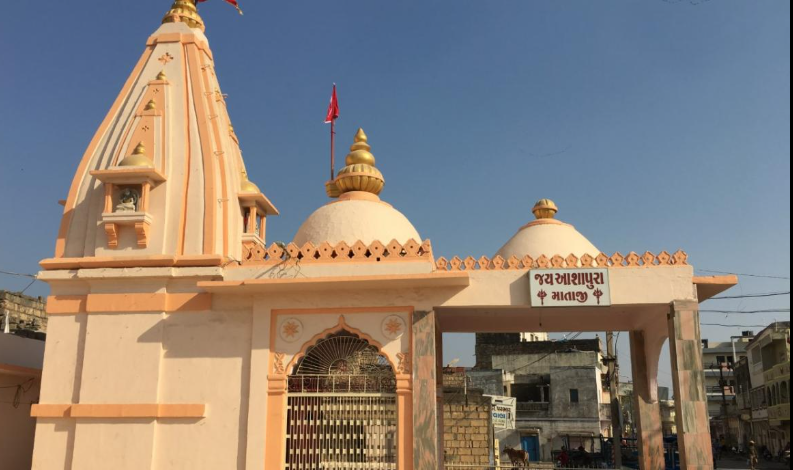
Surapura Dada Temple is a very popular and powerful temple located in Gujarat. The temple is dedicated to Surapura Dada, a guardian deity who protects devotees from danger, illness, and negative energies. Surapura Dada is worshipped by thousands of families across Gujarat, Rajasthan, and Madhya Pradesh. The temple stands on a small hill area which gives a peaceful feeling to visitors. Many people visit this temple daily for blessings, but the highest crowds gather on Sundays, Purnima, and festival days.
The temple receives nearly 2,000 to 3,000 visitors on normal days and more than 20,000 visitors during festivals. People come here with full faith, offering coconuts, oil, and red cloth to Surapura Dada. The temple also has a strong community role, as many families follow Surapura Dada as their kuldevta or family deity.
Surapura Dada is believed to protect devotees from unknown dangers and guide them in difficult times. Many visitors share stories of miracles, health recovery, and success after praying here. The temple surroundings are clean, and the natural environment makes the visit peaceful and refreshing. With good road connections, the temple is easy to reach for people from nearby towns and villages. Surapura Dada Temple is not only a religious place but also a cultural symbol of devotion and trust.
Belur Temple Complete Guide: History, Timings, Architecture & Travel Info
2. Overview Table of Surapura Dada Temple (200+ words)
Below is a clear overview table with important information and numerical data for easy understanding:
| Detail | Information |
|---|---|
| Temple Name | Surapura Dada Temple |
| Location | Gujarat (commonly visited near Shamlaji region / village areas) |
| Approx. Distance From Shamlaji | 10–25 km (varies by exact route) |
| Daily Visitors | 2,000–3,000 |
| Festival Visitors | 20,000+ |
| Special Days | Sunday, Purnima, Navratri |
| Temple Timings | 6:00 AM to 8:00 PM approx |
| Entry Fee | Free |
| Vehicle Parking | Available |
| Common Offerings | Coconut, red cloth, oil, incense |
| Facilities | Drinking water, sitting benches, prasad stalls |
This table gives a quick picture to new visitors. The temple area has a large open space where people sit, rest, and enjoy the peaceful surroundings. Shops near the entrance sell flowers, coconuts, and other pooja materials. Parking arrangements help visitors during heavy crowd days. The temple also has volunteers who guide devotees during rush hours.
The overview information helps travellers plan their visit easily. Knowing the timings, visitor flow, and location helps avoid confusion. Surapura Dada Temple is simple in structure but very strong in spiritual energy, making it a must-visit place for devotees looking for inner strength and blessings.
3. Temple Timings, Best Hours & Daily Schedule (200+ words)
Here is a simple timing table:
| Activity | Timing |
|---|---|
| Temple Opening | 6:00 AM |
| Morning Darshan | 6:00 AM to 12:30 PM |
| Afternoon Break | 12:30 PM to 3:30 PM |
| Evening Darshan | 3:30 PM to 8:00 PM |
| Temple Closing | 8:00 PM |
The temple opens early in the morning. Many devotees visit between 6 AM and 9 AM to start their day with positive energy. Morning aarti is performed around 7:30 AM, which is considered very auspicious. The afternoon break gives time for temple cleaning and priest rest.
Evening darshan starts from 3:30 PM. The evening aarti at 7:00 PM is beautiful, with lamps, chants, and bells creating a divine atmosphere. On Sundays and Purnima days, the temple may remain open longer due to heavy crowds.
For visitors wanting a peaceful experience, early morning is the best time. During festivals, it is advisable to come before 9 AM to avoid long queues. The temple timings may slightly change during special events, but the schedule above is followed on most days.
Understanding the timings helps devotees plan their travel without missing any major rituals. The temple staff maintains discipline and ensures smooth crowd movement, making darshan comfortable for all age groups.
4. History and Beliefs of Surapura Dada (200+ words)
The history of Surapura Dada is connected to ancient folk traditions of Gujarat. Surapura Dada is considered a powerful kuldevta and protector deity. He is believed to guard villages, homes, and families from disease, bad luck, and negative forces. According to traditional stories, Surapura Dada was a brave warrior who protected people from enemies and evil spirits. After his spiritual transformation, people began worshipping him as a divine guardian.
Surapura Dada temples are usually built in open spaces or hill areas, symbolizing his protective role. The main idol often holds weapons, showing strength and courage. Devotees believe that praying to Surapura Dada brings protection, health, and peace.
Local communities mention many miracles. People share stories of Surapura Dada helping during accidents, illnesses, and tough situations. Because of these experiences, his faith keeps growing across Gujarat and nearby states.
The temple’s history also reflects village unity. Families gather during festivals and rituals, strengthening cultural traditions. Surapura Dada is respected by all age groups, especially farmers, travellers, and families who depend on nature for their livelihood.
The belief system around Surapura Dada is simple: complete faith brings complete protection. This strong cultural bond makes the temple an important spiritual center.
5. Architecture and Structure of the Temple (200+ words)
Surapura Dada Temple has simple village-style architecture. The main shrine is built using stone and cement, with a clean entrance and open verandah. Unlike big temples with tall towers, this temple focuses on simplicity and spiritual comfort. The idol of Surapura Dada is placed in the centre of the sanctum, decorated with flowers, red cloth, and oil lamps.
The temple has a wide courtyard where devotees can sit, pray, and relax. The open design allows fresh air and natural light to enter, making the temple feel calm. The flooring is kept clean, and the walls have paintings showing various forms of Surapura Dada.
Surrounding the temple, there are shaded areas for resting, especially helpful during summer months when temperatures can reach 40°C. The temple also has a separate section for offering coconuts and oil. During festivals, colourful lights and flags are tied across the courtyard, creating a joyful atmosphere.
The architecture supports large crowds. The outer area can handle more than 10,000 people during festival days without discomfort. The simple and open layout is one of the reasons why people find this temple peaceful and easy to visit.
6. Festivals Celebrated at Surapura Dada Temple (200+ words)
Several important festivals are celebrated with great devotion at Surapura Dada Temple. The biggest event is Purnima (Full Moon Day). On this day, more than 20,000 devotees gather. Special aarti, bhajan, and offerings take place from morning till evening.
Another major festival is Navratri, celebrated for nine days. During these days, the temple is decorated with lights and flowers. Devotees perform garba and offer prayers every evening. The energy during Navratri is strong and spiritual.
Other important days include:
• Sunday Darshan – a major worship day for Surapura Dada
• Holi Festival – colourful celebrations and special pooja
• Diwali – lamps, sweets, and blessings for prosperity
• New Year Day – thousands visit for first blessings of the year
During festivals, food stalls, prasad counters, and volunteer groups help manage large crowds. The temple remains open for extended hours. Devotees often fast, meditate, or walk barefoot as a form of devotion.
The festivals show the cultural importance of Surapura Dada in village life. People from faraway areas travel to attend these celebrations, making the temple a major gathering point for unity and devotion.
7. How to Reach Surapura Dada Temple (200+ words)
The temple is well connected by road and easily reachable from major towns in Gujarat. Although the exact route may vary, most visitors travel through the Shamlaji region, known for its smooth highway and good transport links.
By Road
• Shamlaji to Surapura Dada Temple: 10–25 km depending on the route
• Ahmedabad to Shamlaji: 130 km (approx 2.5 hours)
• Himmatnagar to Shamlaji: 40 km
• Udaipur to Shamlaji: 120 km
Local buses, auto rickshaws, and private taxis are available from nearby towns.
By Train
The nearest railway stations are:
• Himmatnagar Railway Station
• Ahmedabad Railway Station
From the station, buses and taxis take visitors towards Shamlaji and then to the temple.
By Air
The nearest major airport is:
• Ahmedabad International Airport (140 km)
Taxis and buses are available from the airport to reach the Shamlaji side.
The roads to the temple are safe and well-maintained, making it suitable for family trips. Many devotees visit on weekends as a short spiritual getaway. The peaceful rural environment makes the journey relaxing.
8. Offerings, Rituals & Special Poojas (200+ words)
Surapura Dada Temple follows traditional village-style rituals. Devotees offer red cloth, coconuts, incense, oil lamps, and sweets. One of the most common offerings is lighting an oil lamp, which symbolizes protection and strength from Surapura Dada.
Daily Rituals
• Morning aarti
• Afternoon pooja
• Evening aarti
• Offerings at the main sanctum
These rituals attract hundreds of devotees daily. The chants and bell sounds create a strong spiritual atmosphere.
Special Poojas
On Purnima and Sundays, special maha aarti is performed. Many devotees bring their children for blessings. Farmers visit the temple before harvesting season to pray for success. Business owners come to seek protection and growth.
Donation and Prasad
Devotees contribute according to their capacity. A prasad counter provides sweets and holy offerings after worship. On festival days, free meals are served to more than 5,000 visitors.
The temple priests explain the importance of each ritual, helping devotees understand the traditional practices. Surapura Dada is known as a protector deity, so many rituals focus on safety, health, and positive energy.
9. Visitor Tips, Guidelines & Facilities (200+ words)
Here are important tips for a smooth visit:
Best Time to Visit
Early morning (6 AM – 9 AM) and evening (5 PM – 7 PM) are peaceful. Avoid afternoon heat in summer.
Dress Code
Simple, respectful clothing is recommended. Remove footwear before entering the sanctum.
Facilities Available
• Drinking water
• Sitting benches
• Parking area
• Shops for pooja items
• Prasad counters
• Washrooms
The temple staff maintains cleanliness. Volunteers help during crowds, especially on Purnima and festival days.
Safety Tips
• Keep children close during heavy crowds
• Stay hydrated
• Follow priest instructions
• Avoid bringing valuables on festival days
Photography
Allowed in outer areas, but inside sanctum photography may be restricted.
Visitors appreciate the calm environment and the helpful nature of temple volunteers. With clear pathways and open space, the temple is comfortable for senior citizens as well.
10. Conclusion: Why Surapura Dada Temple Is Special (200+ words)
Surapura Dada Temple is more than a place of worship; it is a symbol of faith, protection, and cultural unity. People visit here believing that Surapura Dada protects them from difficulties and brings strength into their lives. The temple’s simple structure, natural surroundings, and peaceful atmosphere make it a refreshing spiritual destination.
The temple attracts thousands of devotees every week, and during festivals, the numbers go even higher. This shows the strong belief people have in Surapura Dada. Whether someone is looking for peace, protection, health, or guidance, they feel connected to the divine energy of Surapura Dada.
The temple is easy to reach and suitable for one-day trips from Ahmedabad, Himmatnagar, Udaipur, and nearby areas. With clean surroundings, good maintenance, and supportive volunteers, the temple provides a welcoming atmosphere for everyone.
Surapura Dada Temple stands as a reminder that devotion and simplicity can create powerful spiritual experiences. It is a place where families come together, communities celebrate, and individuals find strength in their prayers. Anyone seeking blessings, positivity, and protection should visit this sacred temple at least once.