
Belur Temple, also known as the Chennakeshava Temple, is one of the most famous heritage temples in Karnataka. It is located in Belur town in Hassan district, around 220 km from Bengaluru, 40 km from Hassan, and 176 km from Mangalore. The temple was built in the 12th century by the Hoysala kings. The main construction started in 1117 CE under King Vishnuvardhana. Belur Temple is known for its stone carving work, perfect design, and beautiful sculptures that show the skills of Hoysala artists.
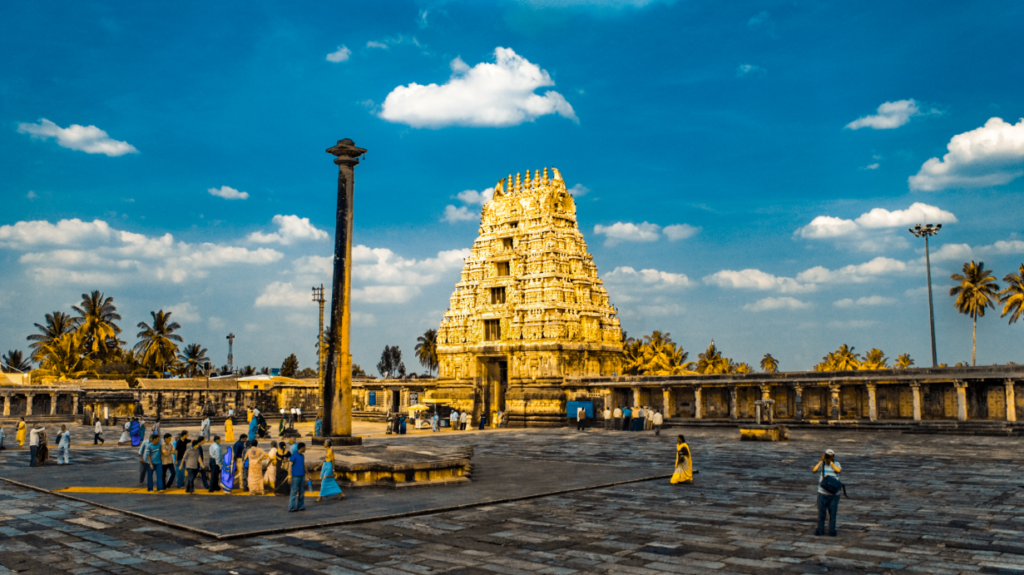
The temple complex covers several acres and receives thousands of visitors every week. On festival days like Vaikunta Ekadashi, Deepavali, and Chennakeshava Jayanti, the number of devotees crosses 50,000 per day. The temple is dedicated to Lord Vishnu, worshipped here as Chennakeshava, meaning “Handsome Lord”. The temple tower, pillars, walls, and ceilings are filled with detailed carvings of gods, animals, dancers, and mythological scenes. Each sculpture is made from soft chloritic schist stone, which was easy for carving and polishing.
Belur Temple is part of the UNESCO World Heritage nomination under the Hoysala temples group. It stands as a living example of Indian art and spiritual life. People visit Belur not only for worship but also to study architecture, photography, and history. The temple has survived more than 900 years and still looks strong and graceful. Today it is one of the top heritage attractions in South India.
Gangotri Temple Booking 2025 Guide: Darshan Timings, Prices, Sevas, and Travel Tips
2. Overview Table of Belur Temple
Below is a simple table that helps you understand key details of Belur Temple in a quick way. This table includes important numerical data and travel information.
| Detail | Information |
|---|---|
| Temple Name | Chennakeshava Temple, Belur |
| Located In | Belur, Hassan District, Karnataka |
| Distance From Bengaluru | 220 km approx |
| Distance From Hassan | 40 km approx |
| Year Built | 1117 CE |
| Dynasty | Hoysala |
| Main Deity | Lord Vishnu (Chennakeshava) |
| Architecture Style | Hoysala Architecture |
| Temple Timings | 7:30 AM to 7:30 PM |
| Entry Fee | Free |
| Photography | Allowed outside; limited inside |
| Festival Crowd Per Day | 50,000+ people |
| Total Age of Temple | 900+ years |
| Best Months to Visit | October to March |
This table gives a short snapshot, but the temple has much deeper meaning and history. Belur was once the capital of the Hoysala Empire and was famous for culture, art, and learning. The temple complex includes several smaller shrines such as Kappe Chennigaraya Temple, Devi shrines, and Saumyanayaki Temple. Every pillar and wall carries designs made by expert artists. Some carvings took months, while some took years to complete.
The temple also shows stories from Ramayana, Mahabharata, and Bhagavata Purana through sculpture. The local guide says there are more than 650 intricate carvings inside the complex. This makes the temple one of the best examples of ancient Indian craftsmanship. The overview table helps new visitors quickly understand what to expect before entering the temple.
3. Timings of Belur Temple
Belur Temple follows fixed timings every day. Below is the timing table for visitors:
| Activity | Timing |
|---|---|
| Temple Opening | 7:30 AM |
| Morning Darshan | 7:30 AM to 1:00 PM |
| Afternoon Break | 1:00 PM to 2:30 PM |
| Evening Darshan | 2:30 PM to 7:30 PM |
| Temple Closing | 7:30 PM |
These timings remain the same on weekdays and weekends. On festival days, the temple sometimes stays open until 8:00 PM depending on the crowd. Morning hours are usually peaceful, especially between 8 AM and 10 AM. Many tourists arrive after 11 AM, so the temple becomes busy. Evening darshan is also popular because the soft light gives a perfect view of the carvings.
There is no entry fee, and visitors can walk freely in the temple compound. Shoes must be removed before entering the main mandapa. There are cloakroom options outside the temple for luggage. Photography with mobile phones is allowed outside, but flash use is restricted. Inside the main sanctum photography is not allowed.
Devotees who come for special puja or archana can book it directly at the temple office. The puja timings are mainly in the morning between 8 AM and 11 AM. Priests perform daily rituals like Suprabhata, Mangalarati, and Evening Deeparati. These rituals follow traditional Hoysala guidelines.
4. History of Belur Temple
The history of Belur Temple goes back more than 900 years. It was built by King Vishnuvardhana of the Hoysala Dynasty to celebrate his victory over the Chola kings. Construction began in 1117 CE and continued for many years. Several sculptors worked on the temple, and some sculptures have their names carved on the stone. This shows how skilled and important the artists were during that time.
The temple was built as a symbol of culture, wealth, and devotion. The Hoysalas ruled parts of Karnataka between the 10th and 14th centuries. They built many temples, but Belur and Halebidu temples are considered their greatest works. Belur Temple was the first major stone temple built by the Hoysalas. Later, they built the famous Hoysaleswara Temple at Halebidu.
Belur Temple saw several attacks from invading forces. Some parts were damaged, but the temple structure survived because of its strong foundation and artistic design. The temple also received maintenance and support from later dynasties like the Vijayanagara Empire in the 14th and 15th centuries.
In modern times, the Archaeological Survey of India (ASI) protects and manages the temple. Restoration projects continue to clean and preserve carvings. Today, Belur stands as a major tourist attraction and a shining example of Indian heritage. It represents devotion, skill, and royal history all in one place.
5. Architecture of Belur Temple
Belur Temple is world-famous for its Hoysala architecture. The entire structure is built on a star-shaped platform. This unique design helps sunlight highlight different carvings throughout the day. The temple is made using soft greenish stone, which allows smooth carving.
The main hall has 48 pillars, each with a different design. Some pillars rotate smoothly because of perfect shaping. The temple walls contain hundreds of sculptures of gods, dancers, musicians, animals, warriors, and royal women. Many of these sculptures show fine jewelry details like rings and bangles. Even today, visitors can see these tiny details clearly.
The famous image of Shilabalika dancers is one of the temple highlights. These women figures show different dance poses from Indian classical arts. There are also scenes from stories like Krishna lifting Govardhana, Arjuna fighting, and Rama breaking Shiva’s bow.
The entrance doorway is decorated with carved panels that show mythological guardians. The ceiling inside the mandapa has lotus patterns carved in stone. Some carvings are believed to take years to finish.
Overall, the architecture of Belur Temple shows math, geometry, creativity, and devotion working together. It proves how advanced Indian sculpture and engineering were in the 12th century.
6. Festivals at Belur Temple
Belur Temple celebrates many festivals throughout the year. The most important festival is Chennakeshava Jayanti, celebrated in April or May. During this festival, thousands of devotees visit the temple. The crowd sometimes crosses 60,000 people in a single day. The entire town becomes lively with rituals, music, dance, and street celebrations.
Another major festival is Vaikunta Ekadashi, celebrated once a year. On this day, special darshan is open early morning at 5:30 AM. Devotees wait in long lines, and many religious programs take place inside the temple complex.
Deepavali, Navaratri, and Makara Sankranti are also celebrated in a grand manner. The temple holds special pujas and decoration on these days. Flower decorations, oil lamps, and traditional drums make the celebrations beautiful.
During festivals, traffic and crowd increase around Belur town. It is best to arrive early morning before 8:00 AM. Special prasadam distribution also takes place. Temple volunteers help manage visitors and keep the temple clean.
Tourists enjoy visiting during festivals because the temple looks more colorful and active. However, those who want peaceful darshan should avoid peak festival days and choose weekdays.
7. How to Reach Belur Temple
Belur Temple is easy to reach by road, bus, or train. The nearest major city is Hassan, around 40 km away. From Bengaluru, the distance is 220 km, which takes around 4.5 to 5 hours by road. Many tourists combine a visit to Belur and Halebidu because the distance between them is only 16 km.
By Road
State highways connect Belur to Hassan, Chikmagalur, and Bengaluru. Private taxis and buses are available. Karnataka State Road Transport Corporation (KSRTC) runs buses every 30 to 45 minutes from Hassan to Belur.
By Train
The nearest railway station is Hassan Railway Station (40 km). From the station, visitors can hire autos, taxis, or take a bus.
By Air
The nearest airport is Mangalore International Airport (176 km). Bengaluru International Airport is 250 km away.
Local Transport
Autos and cycle rickshaws are common in Belur town. Parking is available near the temple.
Travelers usually complete Belur, Halebidu, and Shravanabelagola in one full day. This route is popular because each place represents different parts of Karnataka history.
8. What to See Inside Belur Temple
Belur Temple complex is large and full of beautiful structures. Some of the main places to see are:
1. Main Sanctum (Garbhagriha)
Houses the idol of Lord Chennakeshava. The idol is around 3 feet tall, beautifully decorated with jewelry and flowers.
2. Navaranga Mandapa
A large hall with 48 carved pillars. Each pillar shows a different style, and some pillars rotate when touched.
3. Shilabalika Sculptures
About 42 dancer sculptures are carved with detailed expressions. These are a major attraction for art lovers.
4. Kappe Chennigaraya Temple
A smaller temple built by Queen Shantala Devi. It has detailed carvings and a beautiful idol.
5. Madanikas
Unique sculptures showing dance styles like Bharatanatyam. Their hair, ornaments, and clothes are perfectly carved.
6. Friezes and Panels
These small carvings on the outer wall show elephants, lions, horses, birds, and mythical creatures. It is said that the outer wall has over 650 small sculptures.
7. Ceiling Designs
Lotus patterns and geometric designs add beauty to the interior.
Visitors usually spend 1 to 2 hours exploring the temple. Guides are available near the entrance to explain the history and architecture.
9. Travel Tips for Visitors (200+ words)
To enjoy a smooth trip to Belur Temple, here are some helpful tips:
Best Time to Visit
October to March has pleasant weather. Summer months can be warm, with temperatures crossing 32°C.
Dress Code
Wear simple and comfortable clothes. Avoid shorts inside the temple. Carry a shawl or stole for respect.
Footwear
Shoes must be removed before entering the main temple. Paid shoe stands are available.
Guides
Official guides charge between ₹300 and ₹700 depending on the group size. A guide is helpful because they explain carvings and stories.
Photography
Allowed outside. Avoid using flash near sculptures. Inside the sanctum, photography is restricted.
Food and Stay
Belur town has affordable hotels and restaurants. Hassan city has more options and 3-star or 4-star hotels.
Safety
The temple is safe for solo travelers and families. During crowds, stay together and keep belongings safe.
Following these tips helps visitors make their trip peaceful and meaningful.
10. Conclusion: Why Belur Temple Should Be on Your Travel List
Belur Temple is a rare combination of art, history, devotion, and engineering skill. It reflects the power and creativity of the Hoysala Empire. Each sculpture in the temple tells a story. The temple is not only a religious place but also a living museum of Indian stone art. Visitors from all parts of India and around the world come to Belur to experience this masterpiece.
The temple architecture is unique and stands apart from other Indian temples. Its star-shaped platform, detailed carvings, rotating pillars, and dancer figurines make it a must-visit destination. The temple has survived more than 900 years, proving the strength of Hoysala craftsmanship.
Belur is also easy to reach from Bengaluru, Hassan, and Chikmagalur. It fits well into weekend trips, family tours, heritage tours, and student educational visits. The peaceful surroundings, clean complex, and detailed sculptures leave a lasting memory.
If you enjoy history, heritage, or architecture, Belur Temple should be on your travel list. It is a timeless example of Indian culture and devotion. Anyone who visits the temple feels inspired by the work of artists who lived centuries ago. Belur truly stands as a jewel of Karnataka and India.